

HEAL TRAUMA, RESTORE HOPE
Post-Traumatic Stress Disorder (PTSD) Counselling
Living on high alert gets exhausting
Living with PTSD and trauma can feel like being stuck in a never-ending loop of fear and exhaustion. You might constantly replay painful memories, even when you don’t want to, leaving you feeling emotionally drained and disconnected from the present. Everyday situations can trigger flashbacks or overwhelming feelings of anxiety, so you avoid places, people, or activities that remind you of the past. It’s difficult to relax or feel safe, even when nothing dangerous is happening, and it’s affecting your relationships, your work, and your ability to enjoy life. You might find yourself shutting down emotionally, distancing from loved ones, or feeling like you’re just going through the motions, rather than truly living.
Keeping it together is taking more out of you than people realize:
On the outside, you’re accomplished and composed, but inside, it feels like you’re just holding it together.
You change your habits, decline professional or social invitations, and rearrange your schedule to avoid people, places, and situations that bring back what happened.
You’re used to handling pressure, but reminders of the trauma leave you on edge, struggling to concentrate at work and feeling distant from the people closest to you.
You avoid talking about what happened, even with people you trust, and push memories aside by distracting yourself or changing the subject.

You deserve healing, not just survival
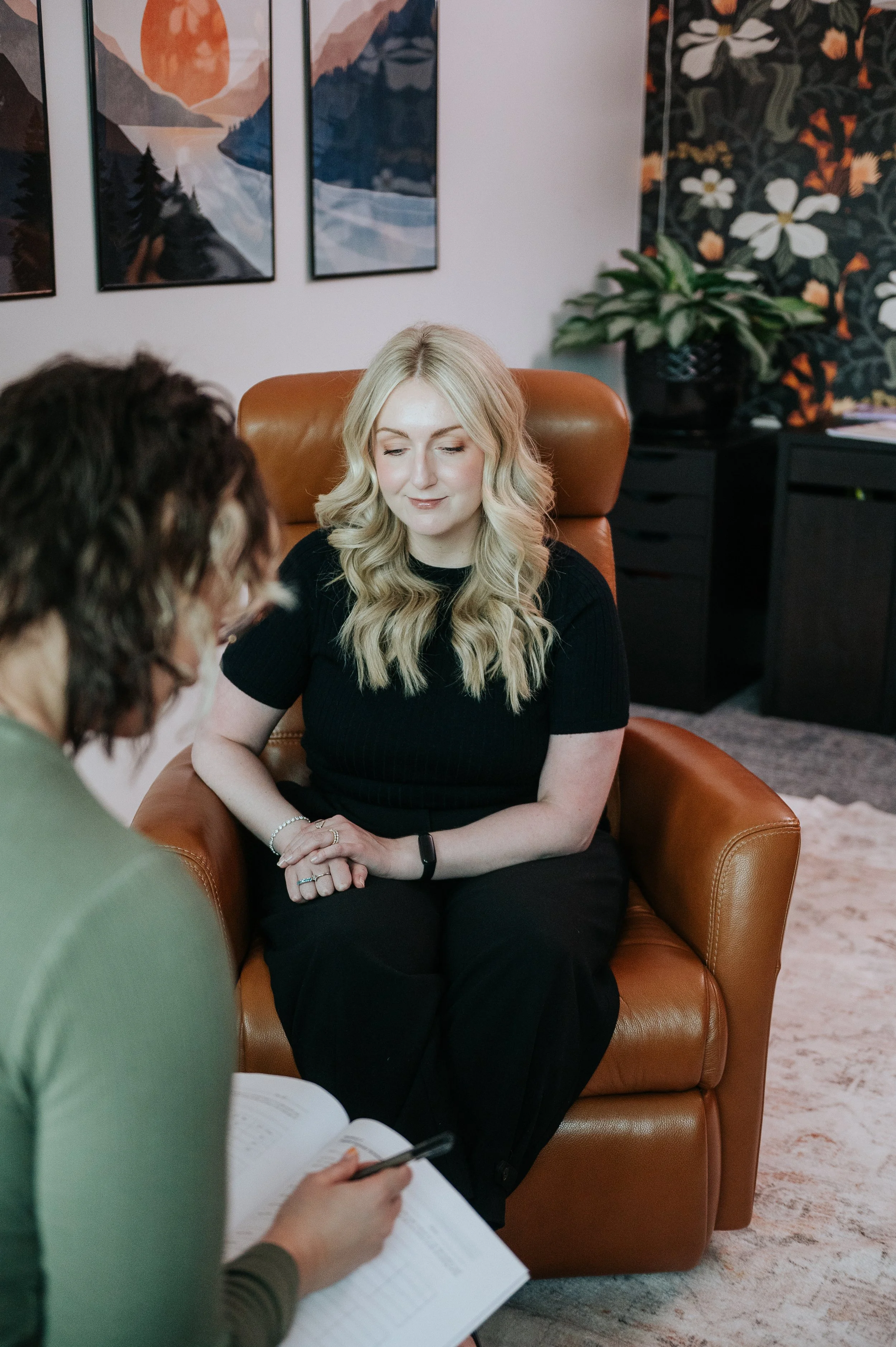
I use Prolonged Exposure (PE) to treat PTSD. Avoiding memories and reminders of the trauma can bring relief, but it can also keep them feeling threatening. With my support, you’ll talk through the memory in detail and gradually approach places and activities you’ve been avoiding. Through repeated practice, you learn that you can remember what happened and manage the feelings it brings up without needing to escape them. The goal is to help you spend less energy managing fear and more energy on your work, relationships, and the things that matter to you.
Here’s what PE looks like:
Step 1: Understand your symptoms and make a plan. We’ll look at how trauma is affecting your work, relationships, and everyday life. I’ll explain how avoidance keeps fear going, teach you a breathing technique to help manage anxiety, and work with you to set treatment goals.
Step 2: Gradually approach safe reminders. Together, we’ll identify places, activities, or situations you’ve been avoiding because they remind you of what happened. You’ll start with less challenging situations and practise approaching them, learning that you can handle the discomfort without needing to leave or avoid them.
Step 3: Work through the traumatic memory. With my support, you’ll describe what happened in detail during sessions. We’ll revisit the memory repeatedly and talk about the thoughts and feelings that come up. This helps you learn that you can cope with the distress, makes the memory less upsetting, and helps you develop a more helpful and accurate understanding of what happened, with less self-blame.
Step 4: Practice and track your progress. Between appointments, you’ll listen to recordings of our sessions, including the parts where you talk through the traumatic event. You’ll also practise facing safe situations you fear or avoid in your daily life. We’ll assess your symptoms frequently to check whether treatment is helping and make adjustments as needed.
IMAGINE IF YOU…
Felt more at ease at work and at home
Feel less on edge and more able to switch off, rest, and enjoy your time outside work
Trusted yourself to handle the memories
Remember what happened with less distress and self-blame, and feel more confident in your ability to cope with the emotions it brings up
Had more freedom to enjoy the life you’ve built
Travel, make plans, and feel closer to the people you care about, with fewer decisions shaped by fear and avoidance.
FAQS
Common questions about PTSD therapy
-
Prolonged Exposure typically lasts 8 - 12 sessions.
-
While addressing trauma can bring up difficult emotions, I believe that you can do hard things. We work at your pace, and you are in control at all times.
-
No. I can’t guarantee that therapy will heal PTSD for everyone because each person’s healing journey is deeply personal and depends on many factors, like your goals, the pace of our work together, and how you apply the tools and insights from therapy in your daily life. That being said, evidence suggests that therapy, including approaches like Prolonged Exposure, can be effective for many people in reducing symptoms and managing the effects of PTSD.
If therapy doesn’t feel like the right fit for addressing trauma and PTSD, there are other avenues you can explore. Some people find relief through self-guided practices, such as mindfulness or journaling, while others may choose to explore medication with the help of a healthcare provider. You might also consider connecting with practices rooted in your cultural or spiritual traditions, or taking time to reflect before deciding on the next step. Therapy is just one of many paths toward healing, and it’s important to find the approach that feels most supportive to you.
book a free meet & greet
book a free meet & greet
Ready to get started?
Your healing starts now
Reclaim your life.